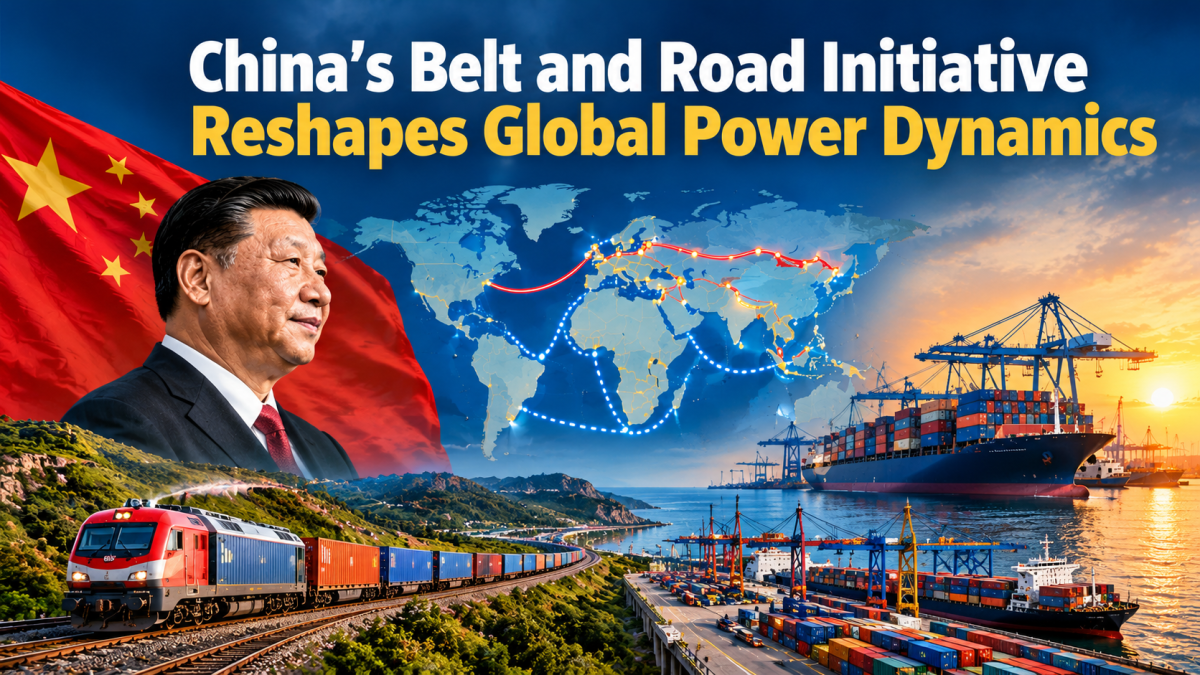
China's Belt and Road Initiative and Its Geopolitical Consequences
China's Belt and Road Initiative (BRI) has emerged as one of the most ambitious international infrastructure and economic development programmes of the twenty-first century. Launched in 2013 under President Xi Jinping, the initiative aims to strengthen global connectivity through investments in roads, railways, ports, energy networks and digital infrastructure. Initially designed to improve trade connections between Asia and Europe, it has gradually expanded across Africa, the Middle East, Latin America and other regions.
Beyond its economic objectives, the BRI represents an important instrument of China's foreign policy. By financing infrastructure and strengthening trade relationships, Beijing has expanded its international influence and established closer economic partnerships with developing countries. However, the initiative has also generated concerns about debt sustainability, strategic dependence and the changing balance of global power.
1. Understanding the Belt and Road Initiative
The Belt and Road Initiative draws inspiration from the ancient Silk Road, which historically connected China with Central Asia, the Middle East and Europe through extensive commercial networks. Modern China seeks to revive this connectivity through large-scale infrastructure development and international economic cooperation.
The Silk Road Economic Belt
The land-based component focuses on connecting China with Central Asia, South Asia, the Middle East and Europe. It involves developing railway networks, highways, industrial zones and energy infrastructure. These connections are intended to reduce transportation costs, facilitate international trade and provide China with alternative routes for accessing overseas markets and resources.
The 21st Century Maritime Silk Road
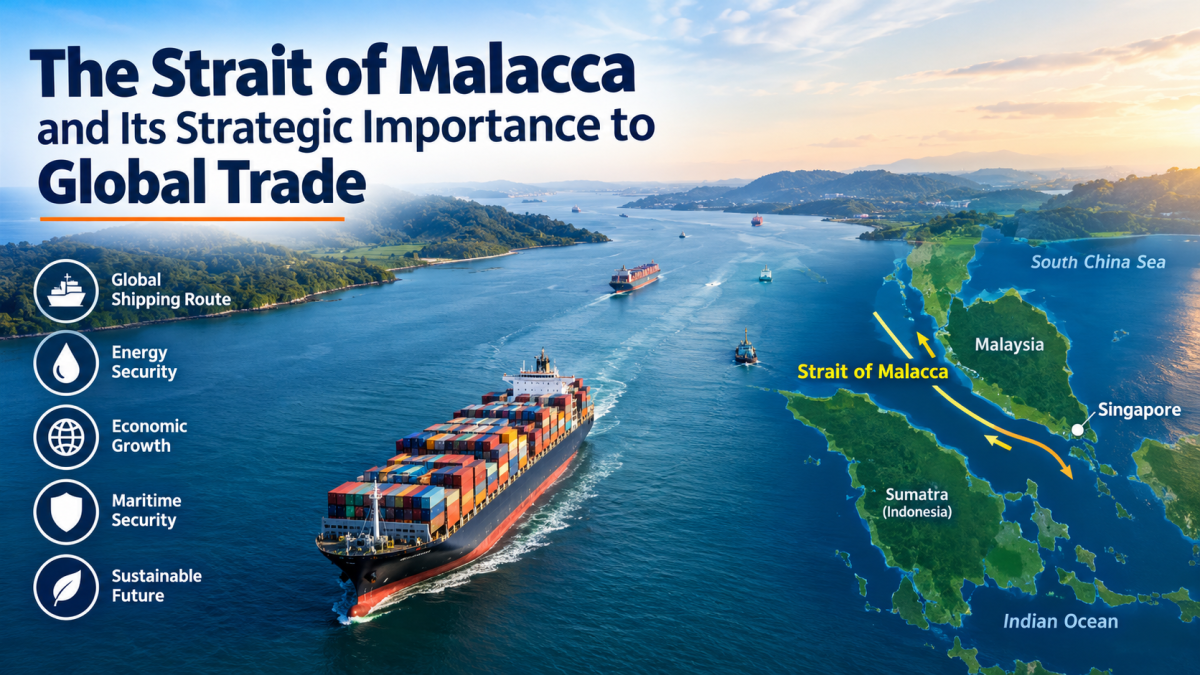
The maritime component focuses on strengthening shipping connections between China, Southeast Asia, Africa, the Middle East and Europe. Investments in ports and maritime infrastructure are central to this programme, improving commercial connectivity while expanding China's presence along important international shipping routes.
2. China's Geopolitical Objectives Behind the Initiative
Although the BRI is officially presented as an international development and connectivity programme, its strategic significance extends beyond infrastructure investment. It supports China's broader ambition to become a more influential economic and political power in international affairs.
Expanding Global Economic Influence
Infrastructure financing provides China with opportunities to strengthen economic relationships across different continents. By investing in transportation, energy and industrial development, Beijing increases its economic presence in regions where infrastructure financing is urgently needed. These partnerships can also strengthen China's position in international negotiations and diplomatic discussions.
Challenging Western Economic Dominance
For decades, Western institutions, particularly the World Bank and International Monetary Fund, have played major roles in international development financing. The BRI offers participating countries another source of infrastructure investment through Chinese financial institutions and state-owned enterprises.
This expansion creates greater competition between China and Western powers over economic partnerships, development priorities and international influence.
Securing Energy and Trade Routes
China is heavily dependent on international trade and imported energy resources. Consequently, maintaining reliable transportation and energy supply routes is a major strategic priority. Infrastructure projects under the BRI can provide alternative routes for transporting goods and energy, reducing dependence on individual maritime corridors.
3. Major Geopolitical Consequences of the BRI
The Belt and Road Initiative has significantly influenced international relationships and the strategic calculations of major powers. Its consequences extend beyond participating countries, affecting regional security, economic competition and the broader international order.
Strengthening China's Influence in Asia and Africa
One of the most visible consequences of the BRI is China's expanding economic and diplomatic presence across Asia and Africa. Countries facing infrastructure shortages have welcomed Chinese investments in roads, railways, power plants and port facilities.
These projects can improve connectivity, encourage commercial activity and support economic development. However, growing financial and infrastructure connections may also increase participating countries' dependence on Chinese investment and technology, raising concerns about the potential conversion of economic influence into political leverage.
Strategic Competition with the United States
The BRI has become an important dimension of the broader strategic competition between China and the United States. Washington views China's expanding international infrastructure network as a challenge to established Western influence.
In response, the United States and its partners have promoted alternative infrastructure and development financing initiatives. The competition involves not only financial investment but also technological standards, international trade networks, diplomatic partnerships and access to strategically important regions.
Debt Sustainability and Financial Dependence
One of the most controversial aspects of the initiative concerns the financial obligations associated with infrastructure projects. Some participating countries have borrowed substantial amounts to finance large-scale developments. When projects generate insufficient economic returns, governments may struggle to meet repayment obligations.
Sri Lanka's Hambantota Port is frequently discussed in debates about the financial and strategic consequences of Chinese infrastructure financing. However, Sri Lanka's economic difficulties cannot be attributed to a single project or loan, as broader domestic economic and financial factors also contributed to the crisis.
The wider concern is that poorly planned infrastructure projects can create long-term financial pressure on developing economies.
Changes in Maritime Geopolitics
The maritime component of the BRI has increased international attention towards strategically important ports and shipping corridors. Ports in the Indian Ocean, particularly those located near major international trade routes, have become increasingly significant in regional geopolitical calculations.
China's growing commercial and infrastructure presence in the Indian Ocean has raised concerns in India and other regional powers about maritime security and strategic competition. Consequently, the initiative has contributed to discussions about freedom of navigation, regional stability and the balance of influence across the Indo-Pacific.
4. India's Concerns and Strategic Response
India has maintained a cautious position towards the Belt and Road Initiative. Although it recognises the importance of regional connectivity and international infrastructure development, New Delhi has raised concerns about the initiative's strategic implications.
The China-Pakistan Economic Corridor
The China-Pakistan Economic Corridor (CPEC) is among the most strategically significant components of the BRI. It connects China's Xinjiang region with Pakistan's Gwadar Port through infrastructure, energy and transportation projects.
India opposes CPEC because parts of the corridor pass through territories claimed by India, particularly areas of Jammu and Kashmir under Pakistani administration. This territorial dispute remains a major reason behind India's decision not to participate in the BRI.
Growing Chinese Presence in the Indian Ocean
India is concerned about China's expanding infrastructure and maritime presence in the Indian Ocean region. Developments involving ports in Pakistan, Sri Lanka and other countries have increased New Delhi's attention towards regional maritime security.
India has therefore strengthened its engagement with neighbouring countries and expanded cooperation with strategic partners to maintain a stable regional balance.
Promoting Alternative Connectivity Initiatives
India has supported alternative regional connectivity projects and international partnerships. The India-Middle East-Europe Economic Corridor (IMEC), announced in 2023, reflects efforts to develop additional trade and transportation connections.
These projects demonstrate India's interest in promoting transparent, sustainable and mutually beneficial infrastructure partnerships.
5. The Future of the Belt and Road Initiative
The future of the BRI will depend on China's financial capacity, the economic performance of existing projects and the willingness of participating countries to continue cooperation.
In recent years, concerns about debt repayment, project transparency and environmental sustainability have encouraged greater scrutiny of Chinese overseas investments. At the same time, the initiative remains an important instrument of China's international economic engagement.
For participating countries, the challenge will be to secure the benefits of infrastructure development without creating excessive financial obligations or compromising long-term economic independence. Greater transparency, responsible lending practices and stronger cooperation between participating governments will be essential for ensuring sustainable outcomes.
Conclusion
China's Belt and Road Initiative represents far more than an international infrastructure programme. It is a major component of Beijing's broader geopolitical strategy, connecting economic development with diplomatic influence and strategic competition.
The initiative has created opportunities for infrastructure development, international trade and regional connectivity. However, concerns about financial sustainability, political dependence and maritime security demonstrate that its consequences are complex.
As competition between China and Western powers continues, the BRI will remain an important factor shaping international relations. Its long-term success will ultimately depend not simply on the scale of Chinese investment, but on whether participating countries achieve sustainable economic benefits while preserving their strategic independence.
Sources and Further Reading
1. World Bank – Belt and Road Economics: Opportunities and Risks of Transport Corridors
2. Congressional Research Service – China's One Belt, One Road Initiative: Economic Issues
https://www.everycrsreport.com/reports/IF11735.html
3. Council on Foreign Relations – China's Massive Belt and Road Initiative
https://www.cfr.org/backgrounders/chinas-massive-belt-and-road-initiative
4. AidData – Belt and Road Reboot: Beijing's Bid to De-Risk Its Global Infrastructure Initiative
https://www.aiddata.org/publications/belt-and-road-reboot
5. Stockholm International Peace Research Institute – China and the Changing International Development Landscape (2026)
6. Congressional Research Service – China Primer: China's Global Development Initiative

Join the Conversation